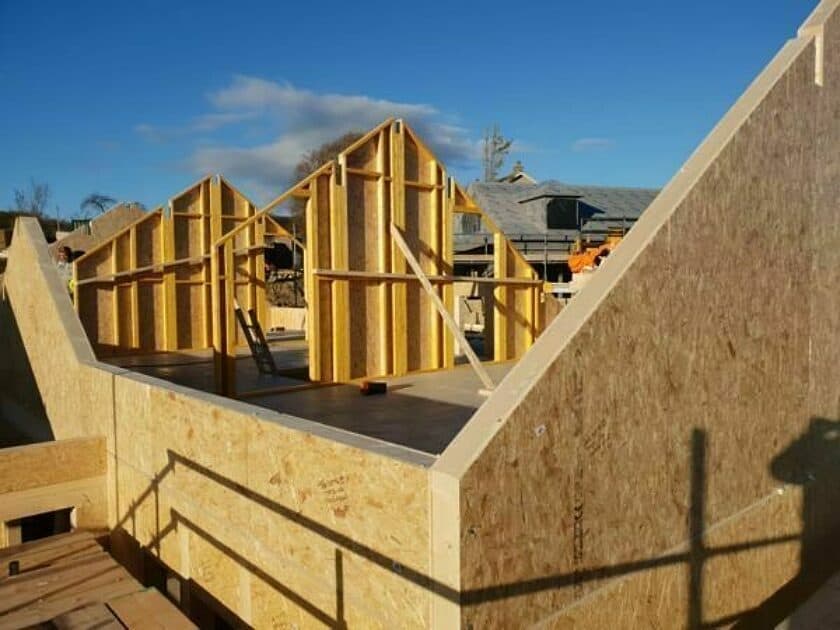
Comparison of SIP with Traditional Construction Methods
In modern construction, Structural Insulated Panels (SIPs) are increasingly used due to their outstanding characteristics. In this article, we will examine the advantages and disadvantages of SIPs in comparison to traditional construction methods to help you make an informed choice for your next project.
Energy Efficiency: SIPs offer significant advantages in energy efficiency compared to traditional methods. Thanks to their dense insulation, they provide a high level of thermal insulation, reducing energy consumption for heating and cooling.
Construction Speed: Construction using SIPs is significantly faster than traditional methods. This is because the panels can be pre-fabricated to the project's dimensions, which speeds up the assembly process on-site.
Strength and Durability: SIPs provide high structural strength, making buildings constructed with them more resistant to adverse weather conditions and seismic activity.
Sound Insulation: Thanks to their structural properties, SIPs provide better sound insulation compared to traditional building materials, making them an ideal choice for construction in noisy areas.
However, despite the many advantages, the use of SIPs also has some drawbacks. These include a relatively high cost compared to some traditional materials and the need for specialised knowledge for installation.
In conclusion, the choice between SIPs and traditional construction methods depends on many factors, including budget, energy efficiency requirements, construction speed, and personal preferences. SIPs offer a modern solution for those looking for a quick, energy-efficient, and durable construction.
SIP Panels vs. Traditional Construction: An In-depth Comparison